

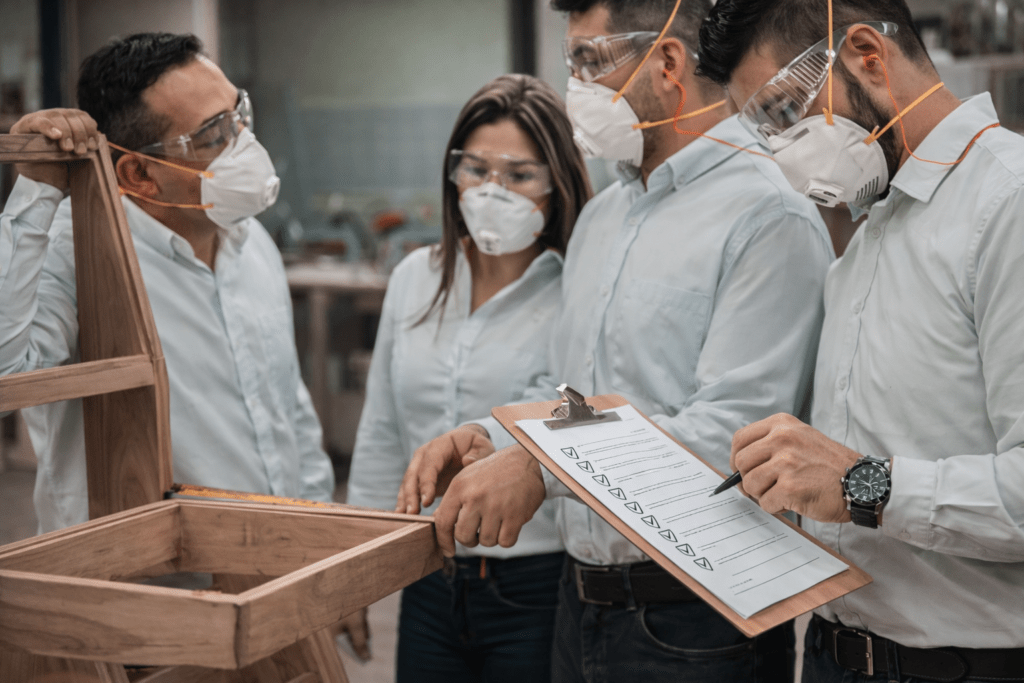
From a contemporary view of occupational risk management, small and medium-sized companies must prevent adverse events, meet regulatory requirements and, at the same time, build an integrated relationship between wellbeing, work and job retention. Under this approach, every case of illness, accident or reduced function becomes an opportunity for intervention that, when handled with technical judgement, strengthens the OHSMS (Occupational Health and Safety Management System), protects human talent and consolidates institutional stability.
In this sense, every occupational health case offers an opportunity to optimise the management system, improve workflows and preserve the value of human resources. The organisation is therefore not facing an individual clinical diagnosis alone, but a web of medical, operational, legal and functional variables that can be managed in a structured way, favouring the protection of the worker, the continuity of productive activity, regulatory compliance and the company's legal robustness.

For an SME, scenarios of this kind call for joined-up decisions: the viability of remaining in the role, the suitability of reasonable adjustments, the appropriateness of redeployment or a phased return, and consistency with OHSMS guidelines must all be assessed as part of a single system, not as fragmented responses. When these decisions are grounded in methodology, uncertainty becomes control and exposure becomes a manageable variable.
This environment takes on an even greater significance with the entry into force of Law 2466 of 2025, which sets a minimum quota for hiring people with disabilities in organisations with 100 or more employees, understood not as a clinical condition but as an expression of functional diversity. For many SMEs, this requirement opens a strategic opportunity to structure their inclusion model in advance, strengthen their capacity to manage occupational health situations and build an organisational culture geared towards job stability, equity and performance.
It is within this framework that CIREC Foundation's OHSMS Guide for employment sustainability and occupational health in SMEs takes shape, developed as an operational tool derived from the CIREC 4D Model, which brings together strategic management, institutional development, inclusion and organisational sustainability within a single system of employment governance. This tool allows small and medium-sized companies to strengthen their working environments, anticipate and manage occupational health scenarios in a structured way, identify their level of complexity, define their scope for action and set clear criteria for calling on specialist support. In this way, the organisation builds its capacity for prevention, preparedness and response, in line with a regulatory environment that promotes inclusion that is effective, sustainable and technically managed.
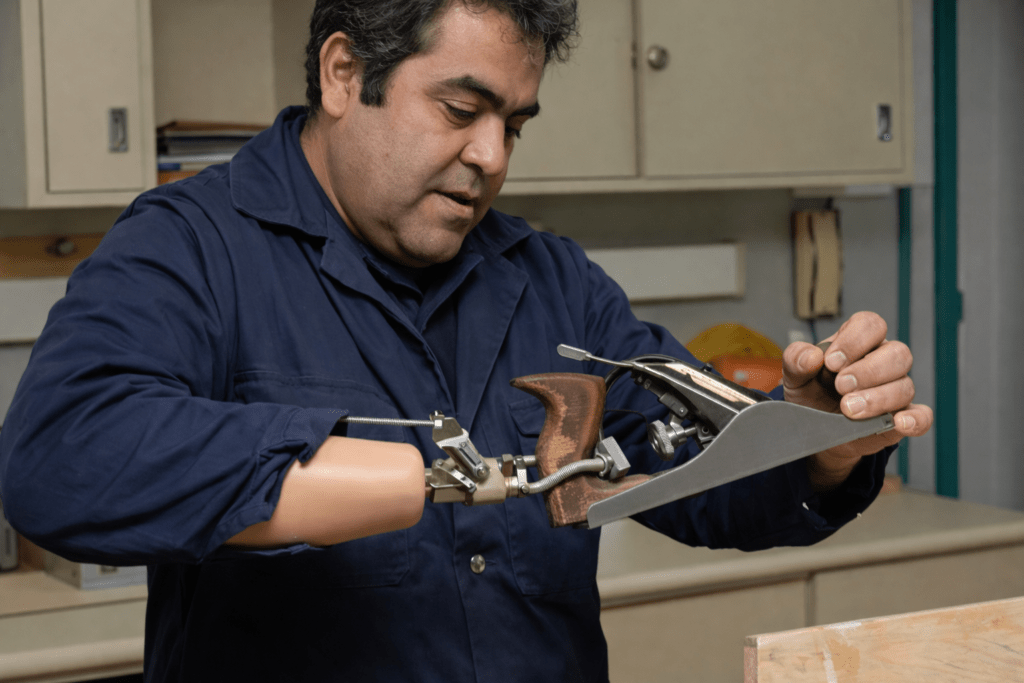
The Guide brings together the clinical, regulatory and organisational components of the OHSMS in a joined-up way, supported by a technical, occupational and methodological checklist that structures and underpins decisions on hiring workers, return to work, redeployment, reasonable adjustments and inclusion processes. These dynamics are therefore managed through objective criteria, evidence and traceability, in line with the employment governance of the 4D Model, so that job continuity no longer depends on reactive responses and becomes a planned dimension of business management.
From the perspective of occupational medicine and OHSMS management, health promotion, strengthening functional capacity, supporting workers as they age and caring for mental health are understood as factors that directly affect wellbeing, performance and organisational efficiency. When these dimensions are integrated into business management in a structured way, through objective and traceable criteria, they help build healthier, more stable and more inclusive workplaces, supporting the retention of workers and the successful recruitment of people, including those with disabilities.
Approaching occupational health and safety through CIREC's 4D Model allows organisations not only to retain their workers over time, reducing staff turnover, but also to build workplaces that are increasingly solid, reliable and ready for new hires, including people with disabilities. This approach strengthens a robust, integrated and results-oriented OHSMS that supports decision-making, protects operations and turns occupational health management into a strategic asset for the company's sustainability, productivity and institutional reputation