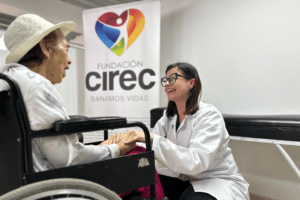

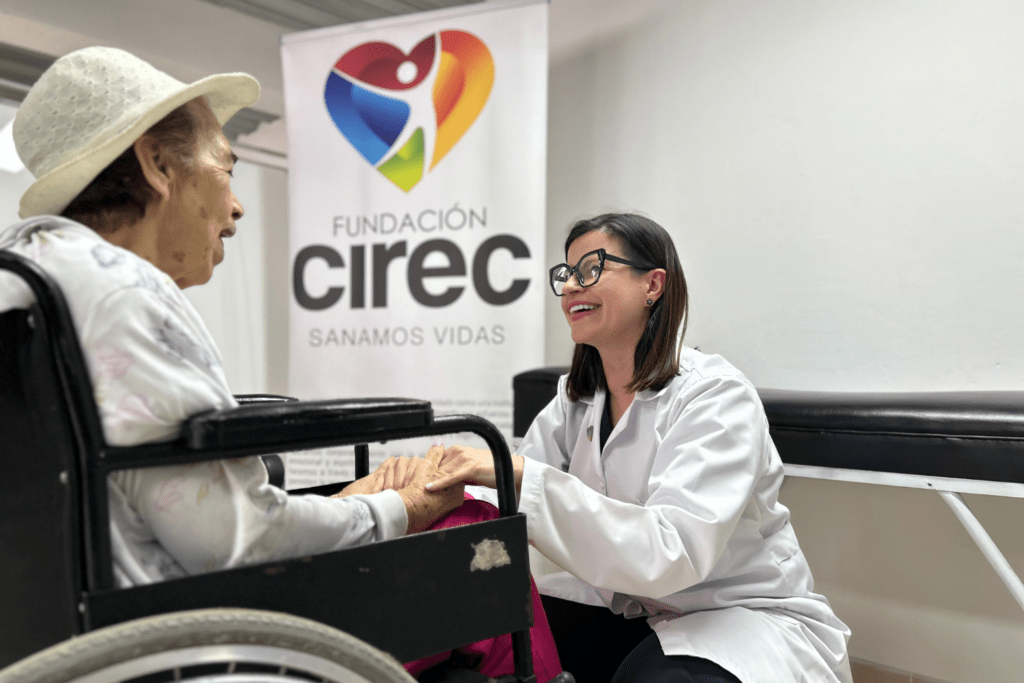
Although Amyotrophic Lateral Sclerosis (ALS) has no cure, timely diagnosis and rehabilitation can make a significant difference to the quality of life of people and their families.
Bogotá, 19 June 2026.
World Amyotrophic Lateral Sclerosis (ALS) Day is marked every 21 June. ALS is a neurodegenerative disease that affects the neurons responsible for carrying commands from the brain to the muscles. As it progresses, it can affect everyday activities such as walking, dressing, writing, eating or communicating.
The most common warning signs include progressive loss of muscle strength, stumbling or falling for no apparent reason, difficulty speaking clearly, changes in the voice, trouble swallowing, and loss of dexterity in everyday tasks such as holding objects, writing or buttoning a shirt.
Recognising these symptoms and consulting a health professional promptly allows access to early diagnosis and comprehensive management that helps preserve independence and wellbeing for longer.
“The fact that a disease has no cure does not mean there are no options for improving quality of life. We now know that interdisciplinary care and timely rehabilitation can help preserve abilities, promote independence and support people and their families at every stage of the disease”, explains Dr Catalina Ruiz, scientific director and physiatrist at CIREC.
Although there is currently no definitive cure for ALS, timely management makes it possible to control symptoms, prevent complications and support the wellbeing of those living with the condition. Rehabilitation plays a fundamental role in this, helping people preserve their independence and continue taking part in their daily activities.
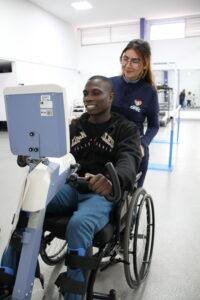
Interventions may include physical therapy to maintain joint mobility, balance and remaining strength; occupational therapy to make daily living activities easier and promote independence; speech and language therapy to support communication and swallowing; and psychological and social support for the person and their family.
According to Dr Ruiz, rehabilitation makes the most of the abilities the person retains, prevents complications and adapts tools such as wheelchairs, communication aids or body supports that make movement, participation and quality of life easier.
Caring for people with ALS requires the joint work of different professionals, including physiatrists, physical, occupational and speech therapists, psychologists, social workers and biomedical engineers.
At CIREC, this team works in a coordinated way to respond to the needs that emerge throughout the course of the disease.
Beyond patient care, support also includes guidance and help for family members and carers, who face considerable physical and emotional challenges. This approach aims to provide tools for coping with the changes the disease brings and to strengthen the wellbeing of everyone close to the person.
To mark World ALS Day, CIREC is calling for greater awareness of this disease, for timely access to health services and for stronger support networks for those living with this diagnosis.
“Families living with ALS should not have to walk this path alone. Our purpose is not only to treat a medical condition; we also want to support people and their families, adapt environments to their needs and help ensure that every stage of the disease is lived with as much wellbeing, dignity and respect as possible”, the specialist concludes.